
A thorough cat grooming checklist includes regular brushing with suitable brushes to remove loose fur and distribute oils for a healthy shine. Occasional gentle baths using cat-specific shampoo keep the coat fresh without stress. Ear and eye hygiene involves careful cleaning to prevent infections. Nail trimming every few weeks guarantees comfort and safety. Shedding control and hairball prevention involve balanced nutrition and hydration. Following these steps builds a cleaner, healthier, and happier cat, with more detailed care techniques available.
How to Brush Your Cat’s Coat for a Healthy Shine
Brushing a cat’s coat regularly removes loose fur and distributes natural oils, promoting a healthy shine. It helps prevent matting and reduces shedding around the living space.
Choosing the right brush depends on the cat’s fur type; a slicker brush suits long-haired cats, while a bristle brush works well for short-haired breeds.
Start gently at the head, moving toward the tail in the direction of hair growth Starlux Pet Universe. Pay attention to sensitive areas like the belly and legs, adjusting pressure accordingly.
Brushing sessions should be brief yet consistent, allowing the cat to remain comfortable and stress-free. This routine supports the cat’s natural grooming habits and encourages a bond grounded in respect for the animal’s independence.
How to Bathe Your Cat Safely and Calmly
While regular brushing maintains a cat’s coat between baths, occasional washing may be necessary to remove dirt, oils, or allergens that brushing alone cannot address.
To bathe a cat safely and calmly, prepare a shallow tub with lukewarm water and use a gentle, cat-specific shampoo. Avoid the head area, focusing on the body to minimize stress.
Speak softly and move slowly to help the cat feel secure. Rinse thoroughly to remove all shampoo, preventing skin irritation.
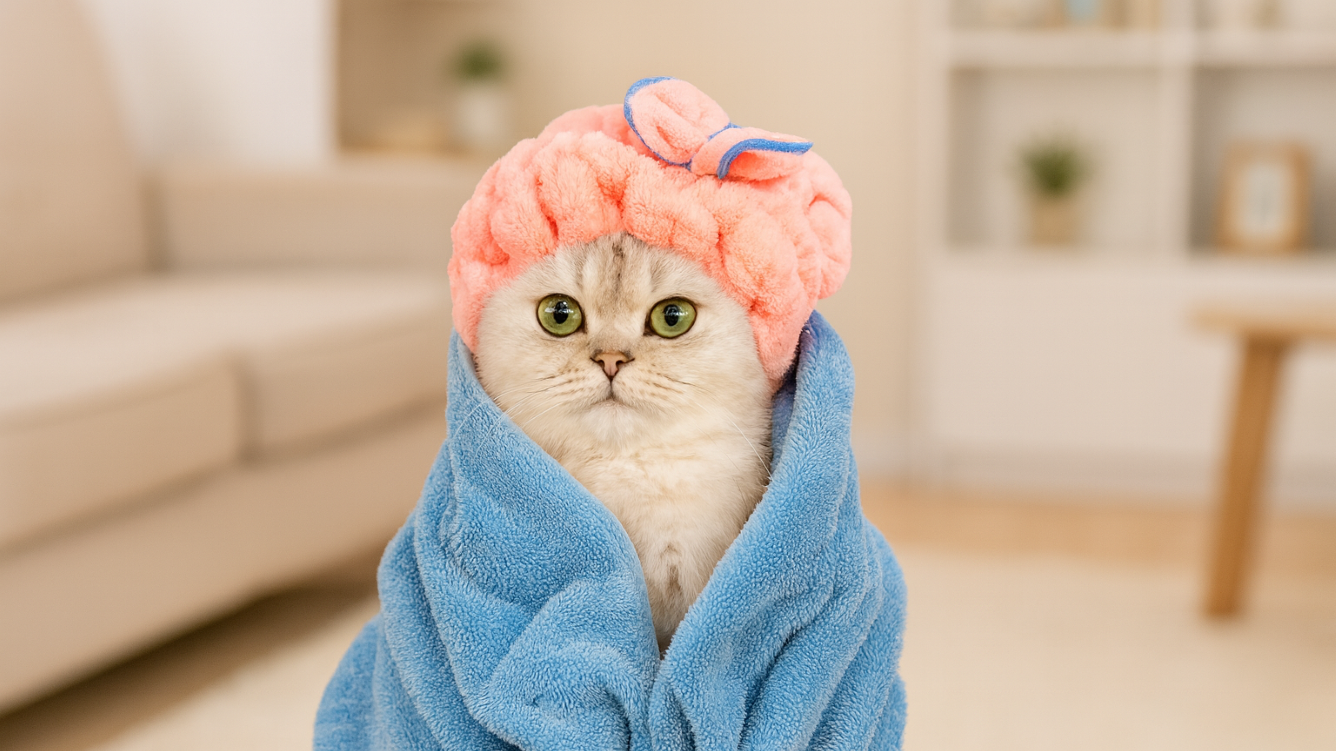
After the bath, wrap the cat in a soft towel and gently pat dry. Avoid using a hairdryer unless the cat is accustomed to it, as noise and heat can cause anxiety.
Patience and calmness enable a more comfortable experience, respecting the cat’s natural independence.
How to Clean Your Cat’s Ears and Eyes Safely
Regularly inspecting and cleaning a cat’s ears and eyes is essential for preventing infections and maintaining overall health.
To clean the ears, use a soft cloth or cotton ball dampened with a veterinarian-approved ear cleaner. Gently wipe the visible parts of the ear without inserting anything deep into the canal to avoid injury.
For the eyes, use a separate clean, damp cloth or cotton ball with warm water to wipe away discharge or debris from the inner corner outward. Avoid using harsh chemicals or excessive moisture.
If redness, swelling, or persistent discharge appears, consult a veterinarian promptly. Maintaining this routine supports the cat’s comfort and freedom from discomfort while promoting hygiene without stress or restraint.
How to Trim and Care for Your Cat’s Nails
Trimming a cat’s nails is a crucial aspect of grooming that helps prevent overgrowth, discomfort, and damage to furniture.
To maintain nail health, owners should use sharp, cat-specific nail clippers and trim only the transparent tip, avoiding the pink quick where nerves and blood vessels reside.
Regular trimming every two to three weeks keeps nails manageable and reduces the risk of scratches.
It is best to handle the cat gently and guarantee a calm environment, allowing the cat to feel secure and cooperative.
After trimming, checking paws for debris or injury supports overall paw health.
This routine promotes the cat’s freedom to explore comfortably while protecting household items and people from accidental harm.
How to Control Cat Shedding and Prevent Hairballs
Nail care is just one part of maintaining a cat’s overall grooming routine, which also involves managing shedding and preventing hairballs.
Regular brushing reduces loose fur, limiting the amount cats ingest during self-grooming. Using appropriate brushes suited to the cat’s coat type enhances effectiveness.
Maintaining a balanced diet rich in omega fatty acids supports healthy skin and fur, naturally minimizing shedding. Providing fresh water encourages hydration, promoting skin health.
To prevent hairballs, offering specialized cat food or supplements designed to aid digestion can help move ingested fur through the digestive tract.
Creating a grooming schedule grants cats freedom from discomfort caused by excessive shedding or hairballs, contributing to their overall well-being and a cleaner living environment.
Conclusion
Regular grooming is essential for maintaining a cat’s overall health and happiness. Brushing, bathing, ear and eye cleaning, nail trimming, and managing shedding all contribute to a cleaner, more comfortable pet. Consistent care not only enhances the cat’s appearance but also helps prevent common health issues. By following a thorough grooming routine, cat owners can guarantee their feline companions enjoy a healthier, more vibrant life with reduced stress and increased well-being.
…


